




Department of Humanities and Sciences
The foundation of every engineering journey at AVIT- Mathematics, Physics, Chemistry, English & Communication, and Soft Skills delivered across all B.E. and B.Tech programmes
DEPARTMENT OVERVIEW
Building Strong Foundations for Future-Ready Engineers
Established in 1998, the Department of Humanities and Sciences plays a vital role in supporting all B.E. and B.Tech programmes by providing a strong foundation in Mathematics, Basic Sciences, Communication, and Soft Skills.
The department emphasizes core engineering fundamentals, ethical reasoning, and sustainable practices, with a team of experienced faculty including experts in Mathematics, Physics, Chemistry, and English who nurture analytical thinking and effective communication.


THE AVIT ADVANTAGE
What Makes Humanities & Sciences at AVIT Different?

Strong Engineering Fundamentals
Build rock-solid foundations in Engineering Mathematics, Physics, and Chemistry that underpin every branch of engineering and enable confident learning in advanced subjects.

Communication & Language Excellence
Develop technical communication, professional English, presentation, and writing skills through a dedicated Communication & Language Lab and immersive learning experiences.

Aptitude & Placement Readiness
Quantitative aptitude, logical reasoning, soft skills, and placement-readiness training delivered across all programmes to power placement success for every department.

Modern Science Laboratories
Gain hands-on experience in the Physics Lab, Chemistry Lab, Communication & Language Lab, and Mathematics/Computational Lab supporting practical, applied learning.

Research & Innovation Culture
Faculty pursue research in applied mathematics, materials & physics, chemistry, environmental science, and English/communication pedagogy, enriching teaching with discovery.
Ethics, Values & Sustainability
Embed environmental science, professional ethics, and human values into the curriculum to shape responsible, well-rounded engineers.

Foundation for Every Career
A foundation designed around industry demands, combining analytical skills, professional communication, aptitude, and career readiness for all engineering fields.
Experienced & Dedicated Faculty
Learn from experienced faculty across Mathematics, Physics, Chemistry, and English committed to nurturing analytical thinking, ethical reasoning, and communication.
Global Career Preparation
Equip students with language proficiency, life skills, and analytical ability that prepare them for global careers across every engineering discipline.

Holistic Student Development
Beyond fundamentals, the department fosters teamwork, leadership, and personality development to build confident and capable engineers.
 ACADEMIC FOUNDATIONS
Academic Foundations We Deliver
Foundation
Mathematics
Engineering Mathematics, calculus, linear algebra, probability, and numerical methods that underpin every engineering discipline.
Career Paths
Analytical Thinking | Modelling & Simulation | Data & Analytics | Research Aptitude
Foundation
Physics
Engineering Physics covering mechanics, optics, materials science, and modern physics for technology applications.
Career Paths
Scientific Reasoning | Materials & Devices | Applied Research | Technology Foundations
Foundation
Chemistry
Engineering Chemistry covering materials, electrochemistry, polymers, and environmental chemistry.
Career Paths
Materials Science | Electrochemistry | Environmental Awareness | Process Fundamentals
Foundation
English & Communication
Technical communication, professional English, presentation, and writing skills for global careers.
Career Paths
Technical Communication | Professional English | Presentation Skills | Global Readiness
Foundation
Soft Skills & Aptitude
Quantitative aptitude, logical reasoning, soft skills, and placement readiness training delivered across all programmes.
Career Paths
Quantitative Aptitude | Logical Reasoning | Interview Readiness | Placement Success
Foundation
Environmental Science & Ethics
Environmental science, sustainability, professional ethics, and values for responsible engineering.
Career Paths
Sustainability | Professional Ethics | Human Values | Responsible Engineering
PROGRAMME HIGHLIGHTS
What You'll Achieve with Us
Engineering Graduates will be able to:
| PO. No | Outcomes | Description |
|---|---|---|
| PO 1 | Engineering Knowledge | Apply knowledge of mathematics, natural science, computing, engineering fundamentals and an engineering specialization as specified in WK1 to WK4 respectively to develop to the solution of complex engineering problems. |
| PO 2 | Problem Analysis | Identify, formulate, review research literature and analyze complex engineering problems reaching substantiated conclusions with consideration for sustainable development. (WK1 to WK4) |
| PO 3 | Design/Development of Solutions | Design creative solutions for complex engineering problems and design/develop systems/components/processes to meet identified needs with consideration for the public health and safety, whole-life cost, net zero carbon, culture, society and environment as required. (WK5) |
| PO 4 | Conduct Investigations of Complex Problems | Conduct investigations of complex engineering problems using research-based knowledge including design of experiments, modelling, analysis & interpretation of data to provide valid conclusions. (WK8). |
| PO 5 | Engineering Tool Usage | Create, select and apply appropriate techniques, resources and modern engineering & IT tools, including prediction and modelling recognizing their limitations to solve complex engineering problems. (WK2 and WK6) |
| PO 6 | The Engineer and The World | Analyze and evaluate societal and environmental aspects while solving complex engineering problems for its impact on sustainability with reference to economy, health, safety, legal framework, culture and environment. (WK1, WK5, and WK7). |
| PO 7 | Ethics | Apply ethical principles and commit to professional ethics,human values, diversity and inclusion; adhere to national &international laws. (WK9) |
| PO 8 | Individual and Collaborative Team work | Function effectively as an individual, and as a member or leader in diverse/multi-disciplinary teams. |
| PO 9 | Communication | Communicate effectively and inclusively within theengineering community and society at large, such as being able to comprehend and write effective reports and design documentation, make effective presentations considering cultural, language, and learning differences |
| PO 10 | Project Management and Finance | Apply knowledge and understanding of engineering management principles and economic decision-making and apply these to one’s own work, as a member and leader in a team, and to manage projects and in multidisciplinary environments. |
| PO 11 | Life-Long Learning | Recognize the need for, and have the preparation and ability for i) independent and life-long learning ii) adaptability to new and emerging technologies and iii) critical thinking in the broadest context of technological change. |
A Graduate of the Electronics and Communication Engineering Program will demonstrate:
| PSO. No | Outcomes | Description |
|---|---|---|
| PSO 1 | Professional Skills | An ability to apply concepts in Electronics & Communication Engineering to design and implement complex systems in the areas related to Analog and Digital Electronics, Communication, Signal processing ,VLSI and Embedded systems. |
| PSO 2 | Competitive Skills | An ability to make use of acquired technical knowledge for successful career and qualifying in competitive examinations at the National and Global levels. |
The Graduates Will
| PEO. No | Description |
|---|---|
| PEO 1 | Demonstrate technical competence in identifying, analyzing and designing innovative, sustainable and cost effective solutions for complex problems. |
| PEO 2 | Adapt to rapid changes in tools and technology with an understanding of societal and ecological issues relevant to professional engineering practice through life-long learning. |
| PEO 3 | Work successfully in collaborative and multi-disciplinary environments upholding professional and ethical values or pursue higher studies or research. |
OUR FLAGSHIP INITIATIVE
VEmerge+ Industry Integrated Programmes
Developed in Collaboration With Leading Industry Partners
CAREER OPPORTUNITIES
Building the Foundation for Every Career
The Department of Humanities and Sciences builds the analytical, communication, and reasoning skills that every engineering career depends on- preparing students for success across all disciplines.
With strong foundations in Mathematics, Sciences, Communication, and Soft Skills, students develop the aptitude, ethics, and research mindset that open pathways across academia, research, civil services, data and analytics, and placement readiness for all engineering fields.
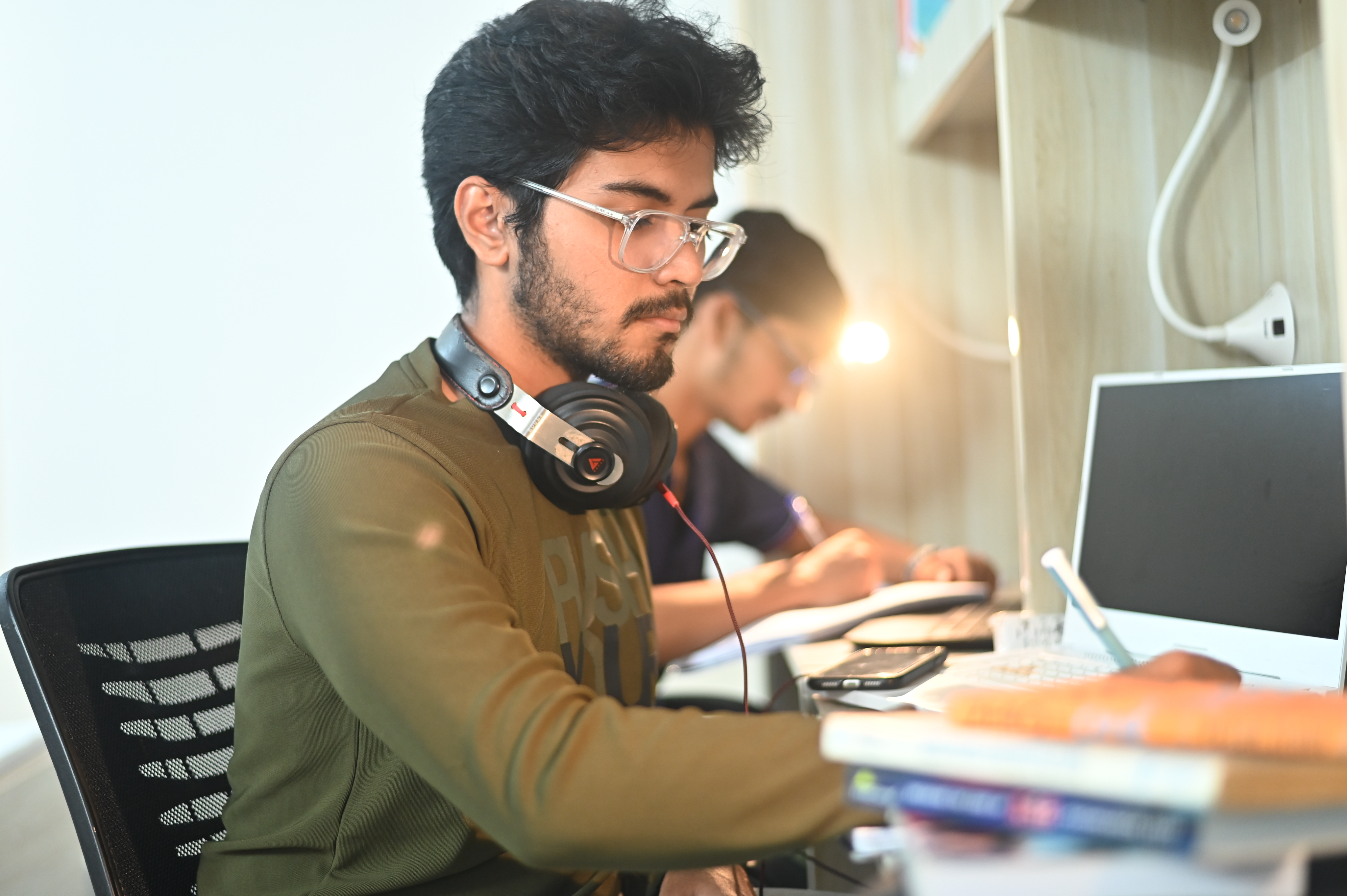
Strong Analytical & Quantitative Skills
Mathematical and scientific fundamentals that enable problem-solving, modelling, and confident learning across every engineering branch.
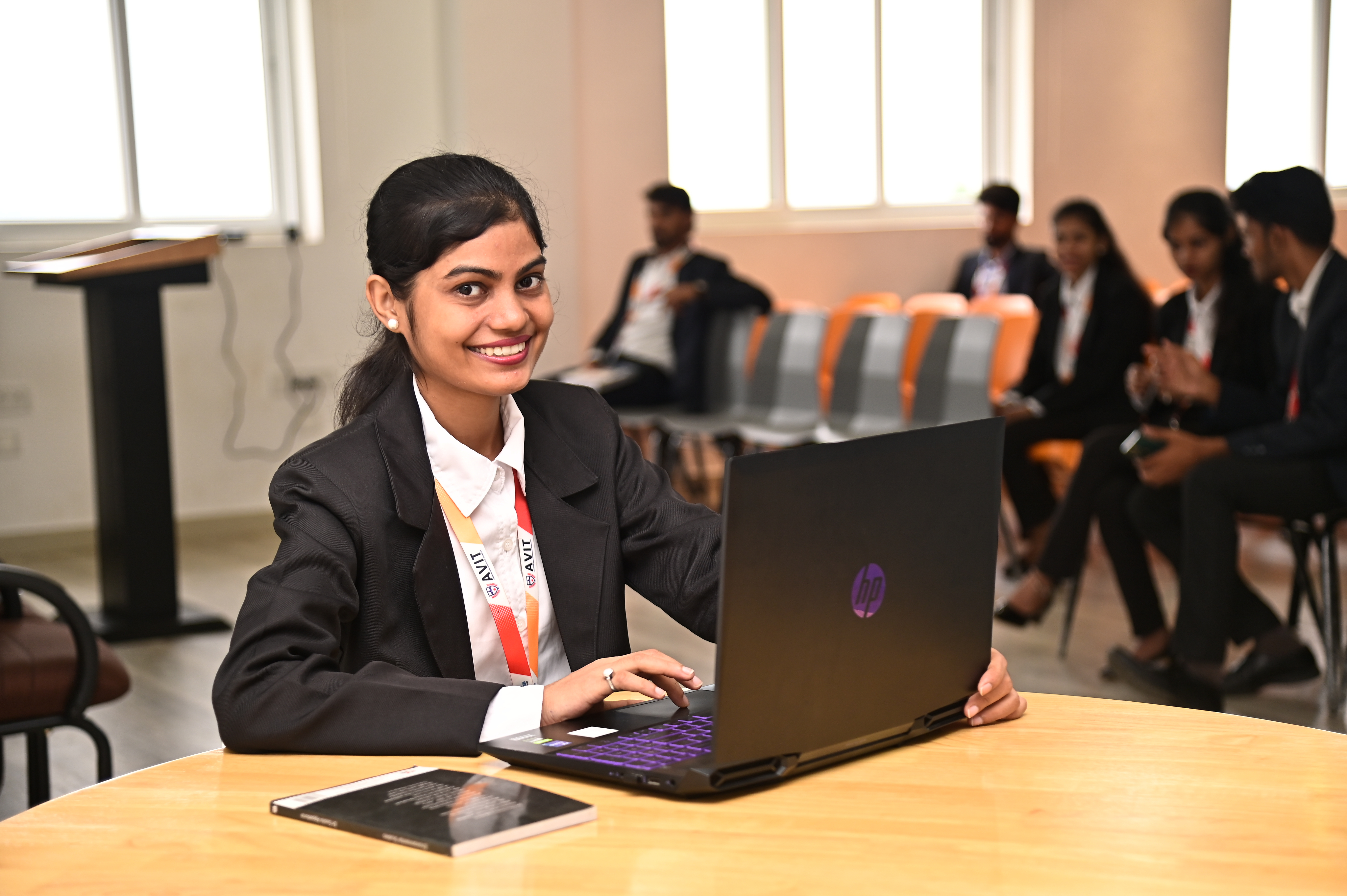
Professional Communication
Technical communication, professional English, and presentation skills that prepare students for global careers and workplace success.
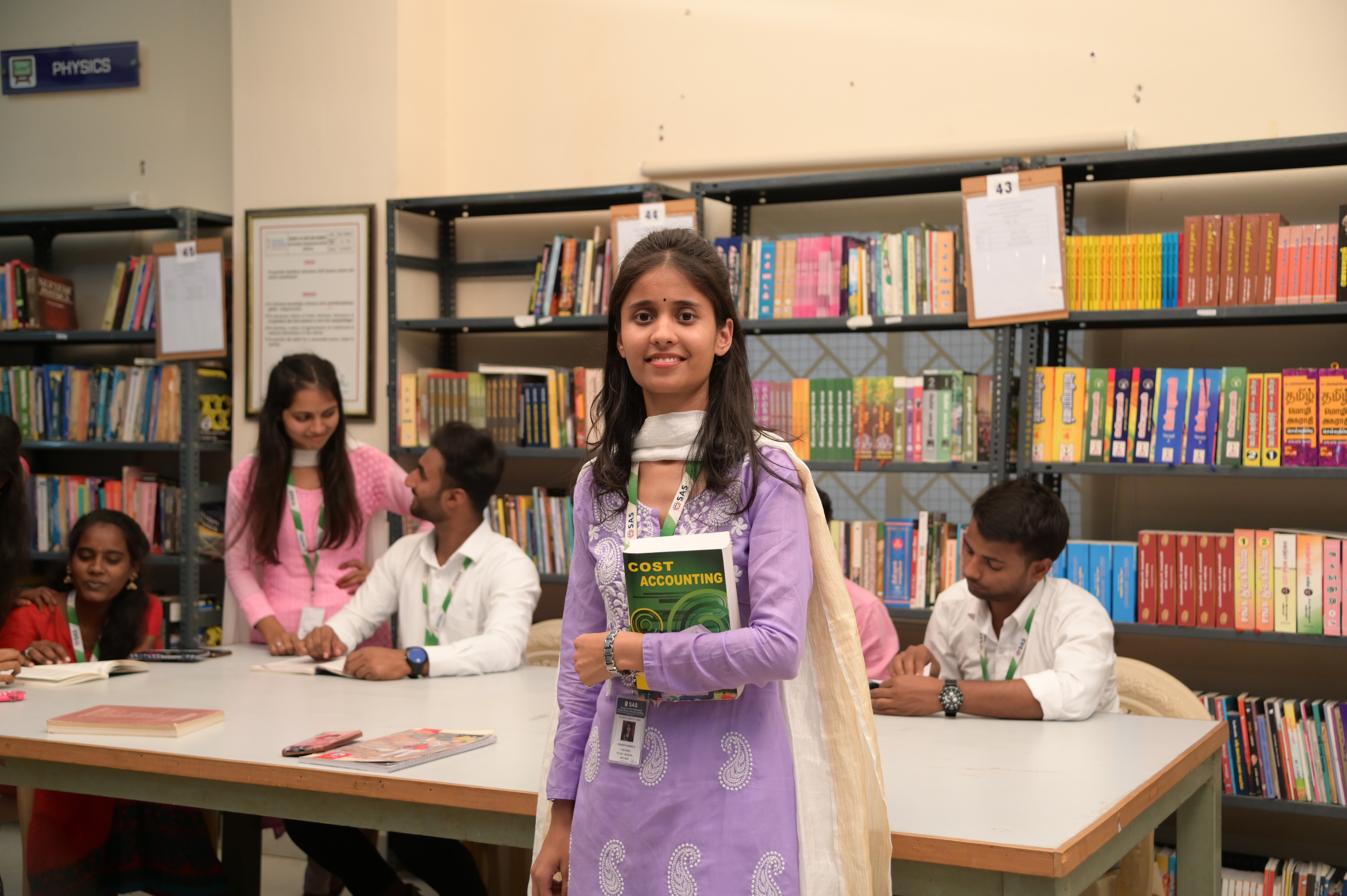
Aptitude & Reasoning
Quantitative aptitude and logical reasoning that drive placement readiness and competitive exam success for all engineering students.
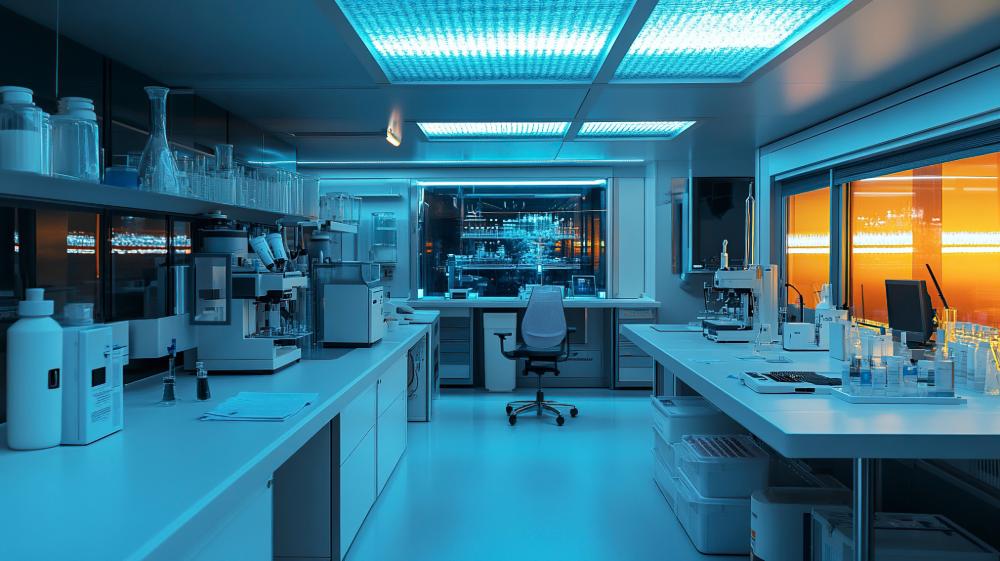
Ethics & Sustainability
Environmental science, professional ethics, and values that shape responsible engineers and sustainable practices.
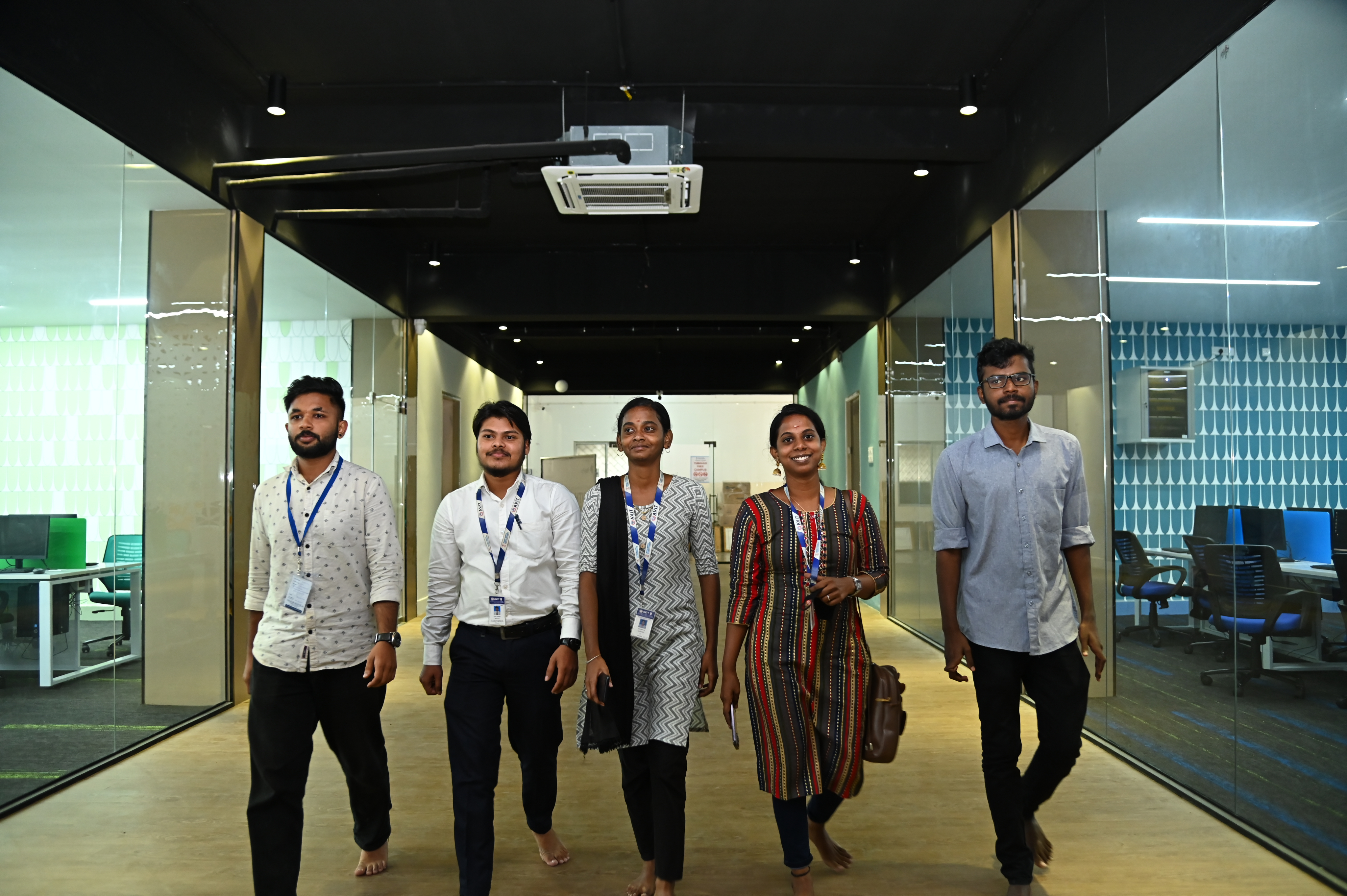
Research Aptitude & Higher Studies
Scientific thinking and research aptitude that open pathways to teaching, academia, research, civil services, and data & analytics careers.
Placement Readiness across Leading Global Companies











RESEARCH & INNOVATION
Humanities and Science Research Activities
Faculty actively engage in applied research across mathematics, physics, chemistry, environmental science, and English/communication pedagogy, enriching teaching with discovery and scientific thinking.
Applied Mathematics
Research in applied and computational mathematics, modelling, numerical methods, and probability supporting engineering and scientific applications.
Explore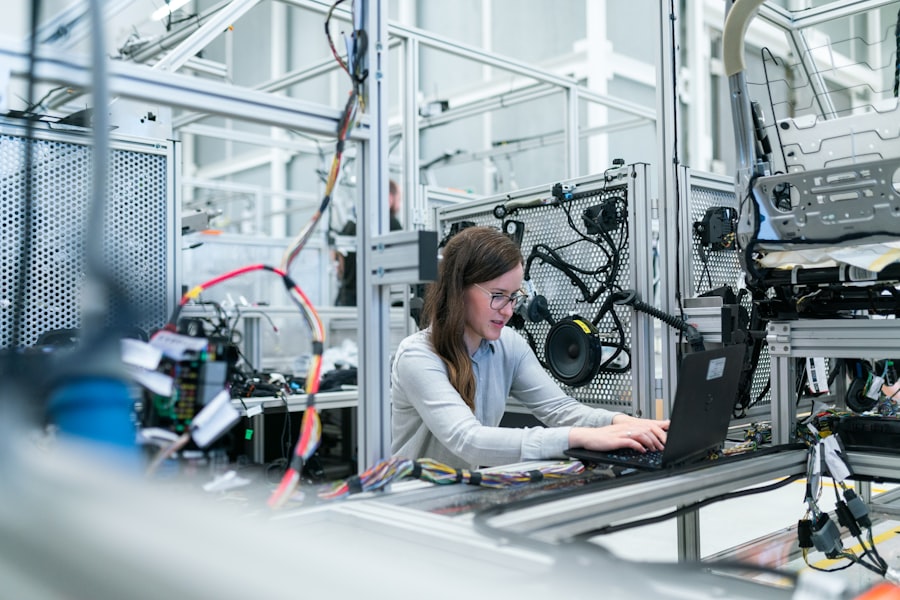

Materials & Physics
Research in materials science, optics, and modern physics with applications across emerging technologies and engineering domains.
Explore

Chemistry
Research in materials chemistry, electrochemistry, polymers, and environmental chemistry contributing to sustainable engineering solutions.
Explore
Environmental Science
Research in environmental science, sustainability, and ethics that promotes responsible engineering and ecological awareness.
Explore
English & Communication Pedagogy
Research in English language teaching, communication pedagogy, and technical writing that enhances learning outcomes and employability.
Explore

Research Facilities
Physics Lab, Chemistry Lab, Communication & Language Lab, and Mathematics/Computational Lab providing facilities that foster discovery and academic excellence.
Explore
ACHIEVEMENTS
Recognising Innovation and Excellence
Our students and faculty actively participate in national and international technical events, science exhibitions, and academic initiatives, consistently bringing recognition to the department.
The department encourages students to showcase their analytical, communication, and problem-solving abilities through competitions, exhibitions, and academic excellence initiatives.
-
Innovation Challenges 2K24
Recognition for innovative ideas and analytical problem-solving across foundation subjects.
-
Science & Communication Expo 2023
Participation and achievement in science exhibitions and communication-focused academic events.
-
Aptitude & Soft Skills Excellence
Showcasing student excellence in aptitude, reasoning, and placement-readiness initiatives.



VALUE-ADDED PROGRAMMES
Value-Added Certification & Skill Programmes
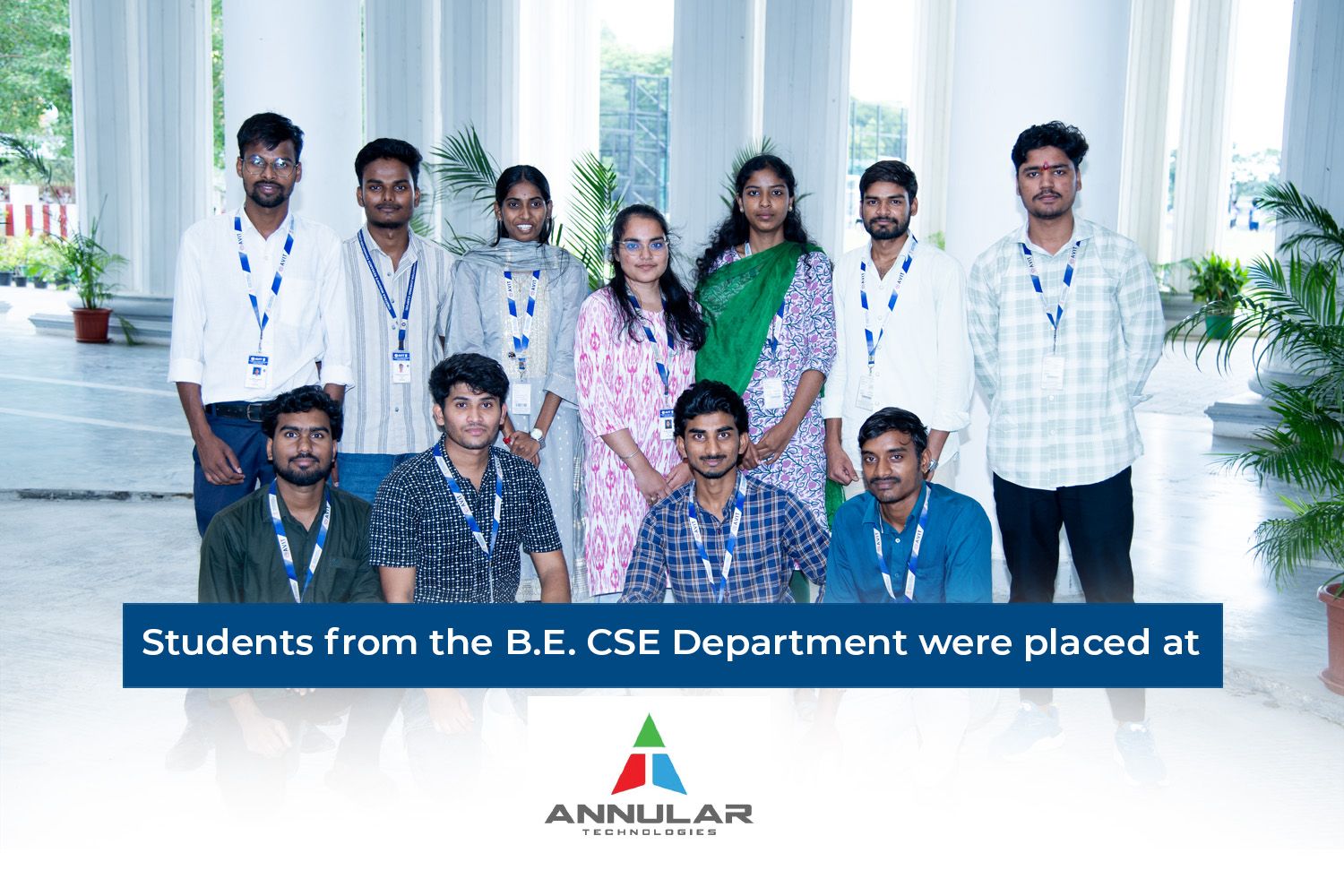
Beyond core fundamentals, the Department of Humanities and Sciences delivers value-added certification and skill programmes that strengthen analytical, communication, and aptitude skills across all engineering programmes.
Aptitude & Reasoning Programme
Quantitative & Logical Aptitude Training
Quantitative aptitude, logical reasoning, problem-solving, Placement Readiness
Communication Skills Programme
Technical & Professional Communication
Technical communication, professional English, presentation skills
Soft Skills Programme
Personality & Soft Skills Development
Interview preparation, group discussion, personality development
Applied Science Certifications
Foundation Science & Computational Skills
Computational mathematics, applied science, hands-on lab skills
PLACEMENT TRAINING
Placement Training & Soft Skills
The Department of Humanities and Sciences delivers aptitude training, quantitative reasoning, verbal and communication skills, group discussion and interview preparation, and soft-skills development that power placement success across all departments at AVIT.

Institution-Wide
Placement Readiness Training
Aptitude, reasoning, communication, and soft-skills training delivered across all B.E. and B.Tech programmes to prepare every student for campus recruitment.Core & Product Recruiters
Leading Engineering Innovators
Soft-skills and aptitude training that prepares students to join some of the world's most innovative core and product engineering companies.Featured Recruiters: Bosch, L&T, Amphenol, Ashok Leyland, Siemens and more.
Service-Based Recruiters
Global Technology & Consulting Leaders
Communication and aptitude readiness that equips students for enterprise-scale projects, consulting, and technology roles with global clients.Featured Recruiters: TCS, Infosys, Cognizant, Wipro, Accenture, HCLTech and more.
Top Recruiters
TCS
Infosys
Cognizant
Wipro
Accenture
HCLTech
Capgemini
 Hexaware
 Amazon
 Sutherland
Skills That Power Placements
Quantitative Aptitude | Logical Reasoning | Verbal & Communication Skills | Group Discussion | Interview Preparation | Resume Building | Soft Skills | Professional Ethics | Personality Development
Placement Preparation & Career Readiness
Aptitude & Reasoning Training
Structured training in quantitative aptitude, logical reasoning, verbal ability, and problem-solving to prepare students for recruitment assessments.
Mock Interviews & Group Discussions
Practice HR interviews, technical assessments, and group discussions through simulated recruitment activities and continuous feedback.
Communication & Soft Skills
Develop professional communication, presentation, resume building, and personality skills that build industry-ready, confident professionals.
CLUBS & ORGANIZATIONS
Join vibrant clubs to explore passions and build leadership
Our student-led clubs provide opportunities to develop technical expertise, leadership skills, innovation mindset, teamwork, and exposure beyond the classroom.
Learn. Lead. Inspire.
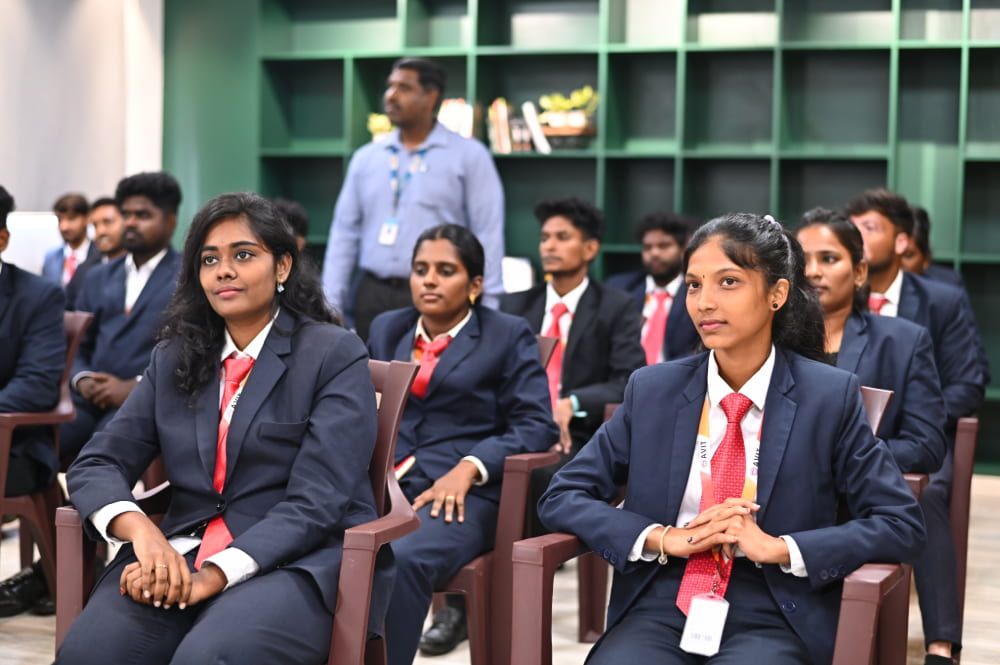
AI & Machine Learning Club
Explore the latest in AI, ML, and data science through workshops, coding challenges, and collaborative projects.
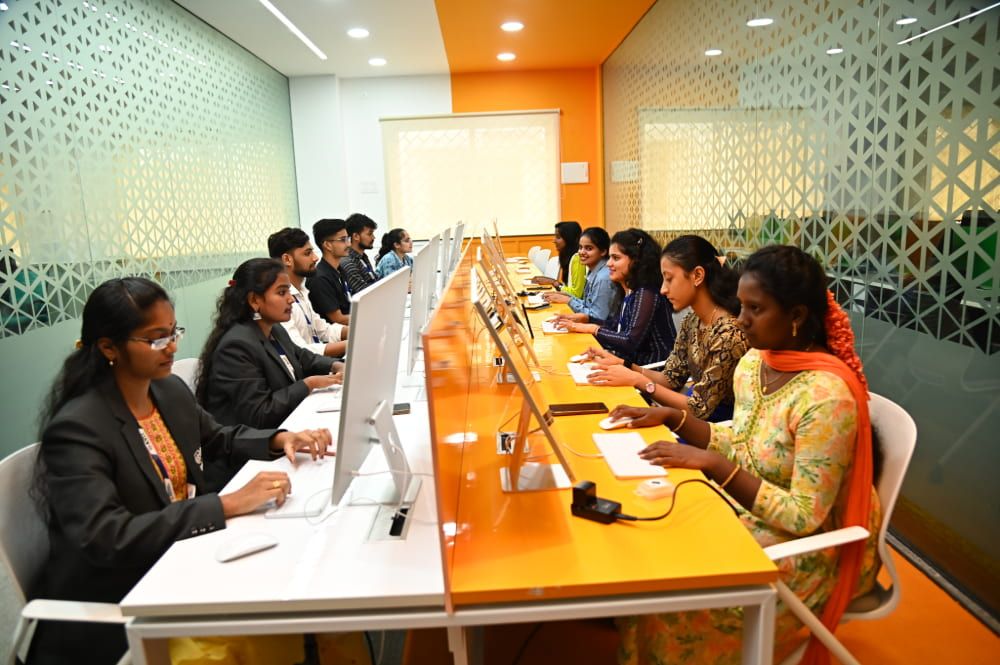
Coding Club
Sharpen your programming skills with peer-led coding sessions, hackathons, and competitions.
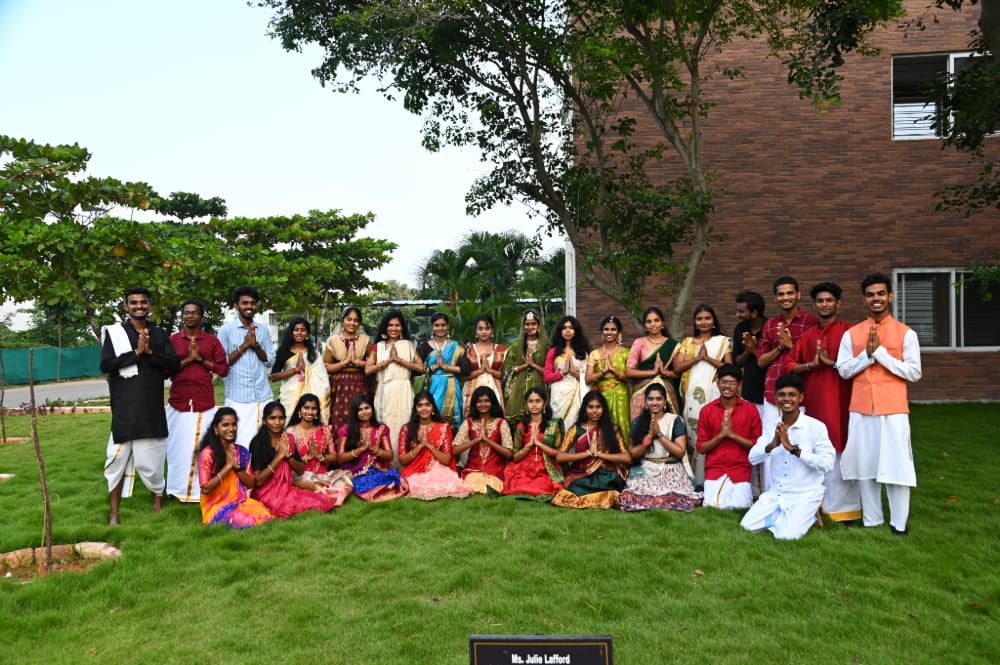
Innovation Cell
Turn your tech ideas into reality! IEC empowers students with mentorship, start-up guidance, and opportunities.
FACULTY & LEADERSHIP
Our Faculty Team & Department Leadership
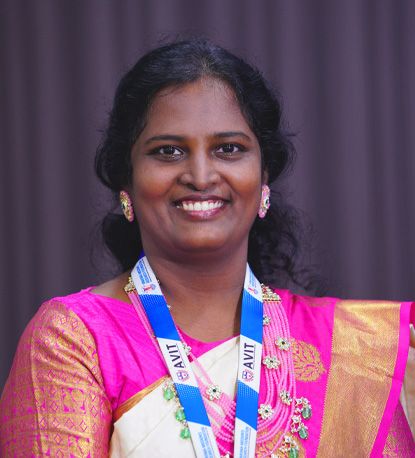
Head of Department
Dr. Jennifer G Joseph
Professor and Head
The Department of Humanities and Sciences forms the foundation of every engineering journey at AVIT, equipping students with strong fundamentals in Mathematics, Basic Sciences, Communication, and Soft Skills. Our experienced faculty are committed to nurturing analytical thinking, ethical reasoning, and effective communication.

NEWS & EVENTS
Campus Pulse
Stay updated with the latest happenings, achievements and activities across AVIT.
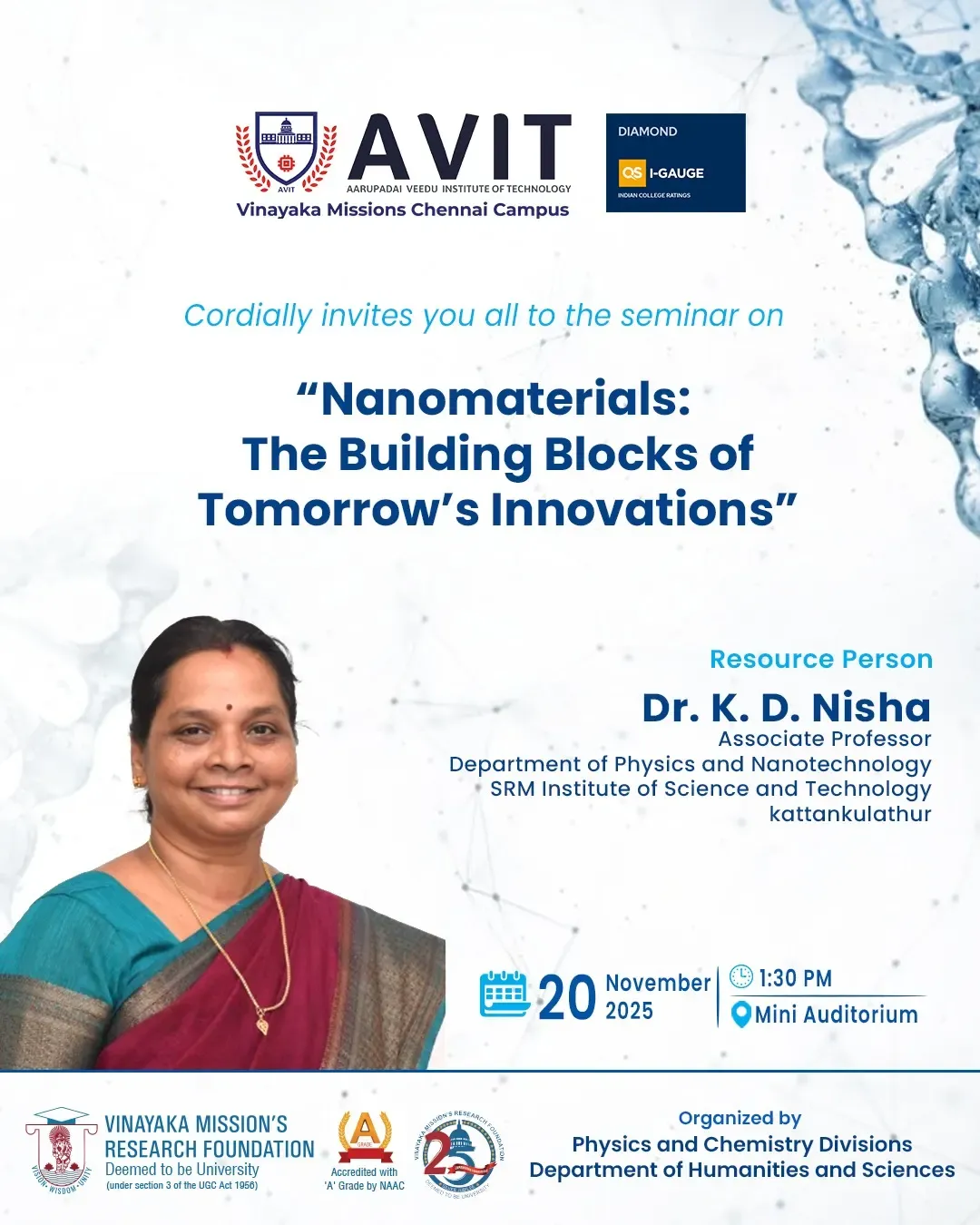
The seminar on "Nanomaterials: The Building Blocks of Tomorrow's Innovations"
20th November 2025
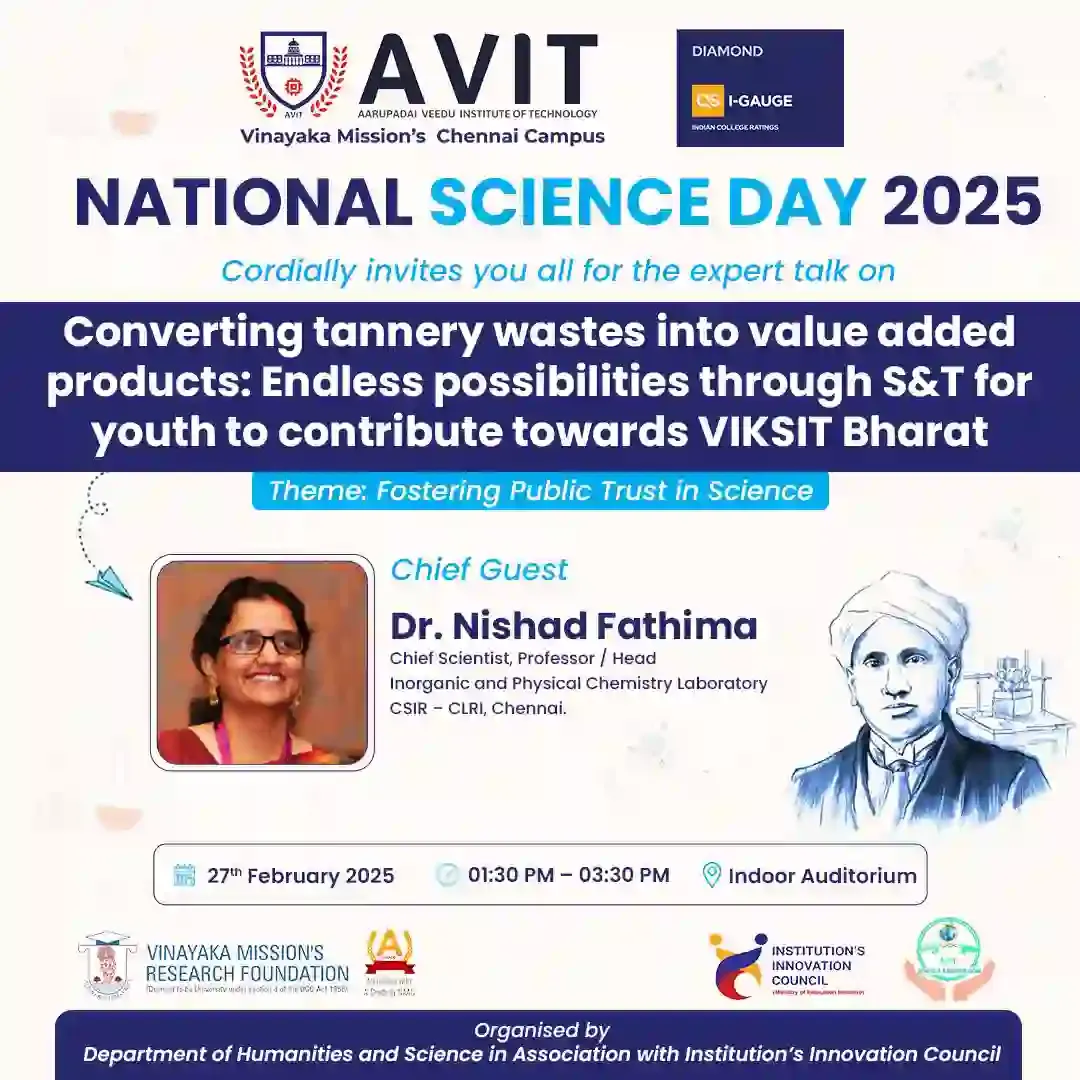
National Science day 2025-The expert talk on Coverting tannery wastes into value added products: Endless possibilities through S&T for youth to contribute towards VIKSIT Bharat
27th February 2025
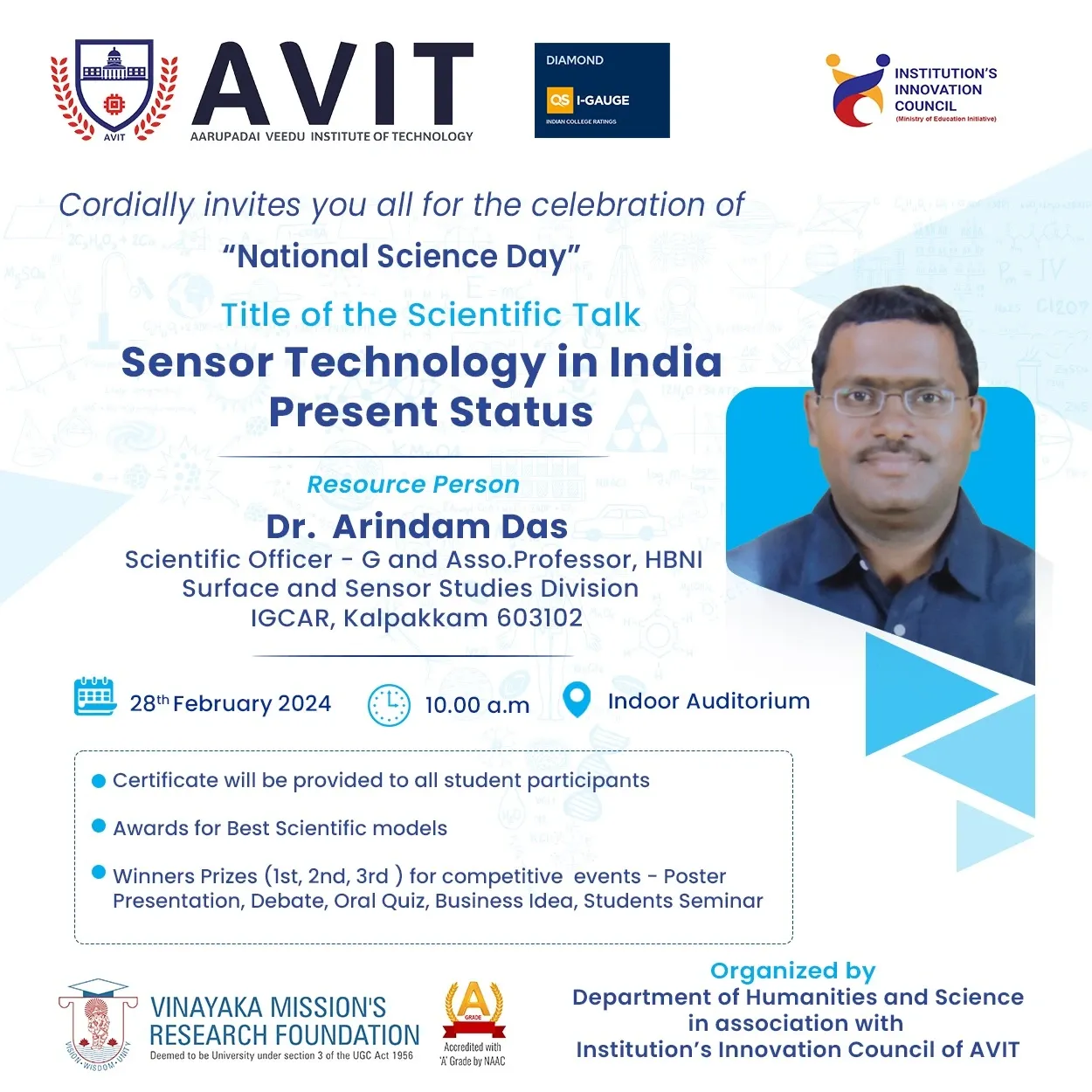
The celebration of "National Science Day" Title of the Scientific Talk Sensor Technology in India Present Status
28th February 2024
Oct
15
A Report on the Seminar on “The Role of Mathematics in Engineering” - 15th October 2025
 Vinayaka Nagar, Rajiv Gandhi Salai
Feb
27
Report on Coverting tannery wastes into value added products: Endless possibilities through S&T for youth to contribute towards VIKSIT Bharat - 27th February 2025
Vinayaka Nagar, Rajiv Gandhi Salai
Feb
27
A Report on National Science Day - 27th February 2025
Vinayaka Nagar, Rajiv Gandhi Salai
Mar
08
A Report on National Science Day 2023 dated on 28th February 2023
Vinayaka Nagar, Rajiv Gandhi Salai
FREQUENTLY ASKED QUESTIONS
Have Questions? We Have Answers.
The Department of Humanities and Sciences is a service department that supports all B.E. and B.Tech programmes by providing a strong foundation in Mathematics, Basic Sciences, Communication, and Soft Skills. It does not offer a degree of its own but underpins every engineering discipline.
The department delivers Mathematics, Physics, Chemistry, English & Communication, Soft Skills & Aptitude, and Environmental Science & Ethics across all engineering programmes.
The department delivers aptitude training, quantitative reasoning, verbal and communication skills, group discussion and interview preparation, and soft-skills development that power placement success across all departments.
The department provides access to the Physics Lab, Chemistry Lab, Communication & Language Lab, and Mathematics/Computational Lab for practical, applied learning.
Faculty engage in research across applied mathematics, materials and physics, chemistry, environmental science, and English/communication pedagogy.
Through technical communication, professional English, presentation, and writing skills delivered via a dedicated Communication & Language Lab and immersive learning experiences for global career readiness.
Yes. The department delivers value-added certification and skill programmes in aptitude, reasoning, communication, soft skills, and applied science across all engineering programmes.
The department is led by Dr. Jennifer G Joseph, Professor and Head, supported by an experienced team of faculty across Mathematics, Physics, Chemistry, and English.
ADMISSIONS OPEN
Your Future Begins at AVIT College
Innovative programs, expert faculty, and industry connections to guide your success.